
Engineering Blog
Up-to-date architecture notes, measured token economics, safety guarantees, and vertical deep dives from the Saturday codebase (the 0.16.10 development build; the public download is 0.16.9 until it is published).
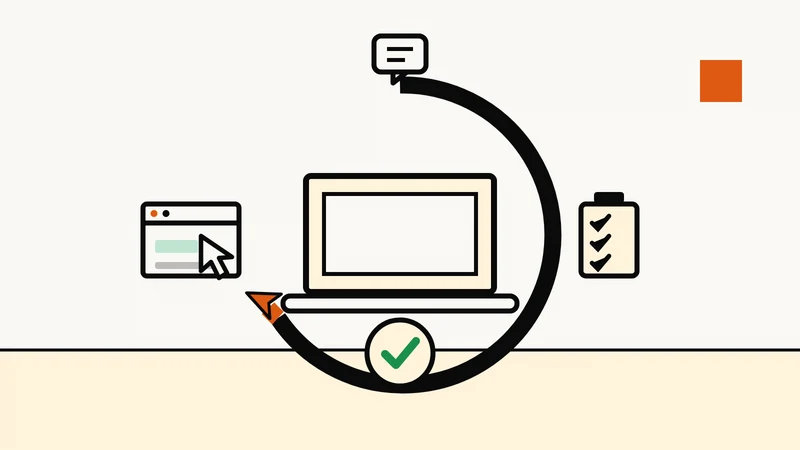
How an AI agent actually works, explained without the jargon
Forty receipts sit in a folder, four of them photographs of paper, one scanned twice. An agent is the loop that turns them into a checked expense sheet: describe, plan, act, check, retry. This is what that loop looks like in practice, and why the checking part is the whole trick.
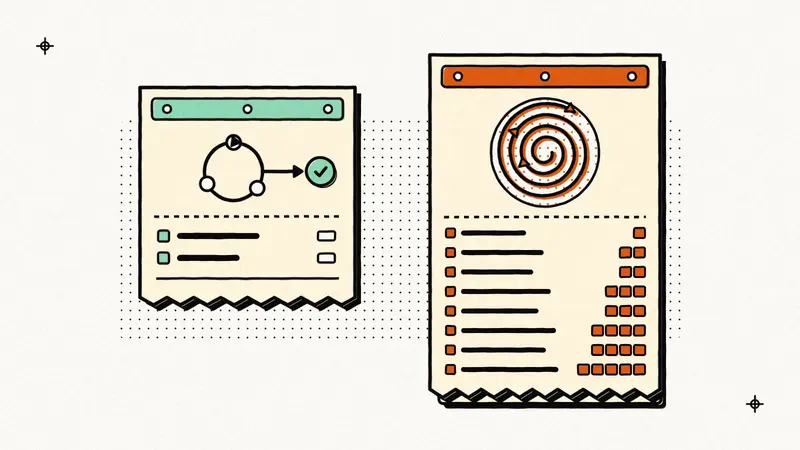
Why Choose Saturday Over Claude Code, OpenCode, Goose, and Hermes
Cheap $/MTok still wastes money if an agent loops 40 times or re-sends 15k tokens of bloated context every step. Here is how Saturday wins on cost per solved task — and where it diverges from coding-only harnesses.
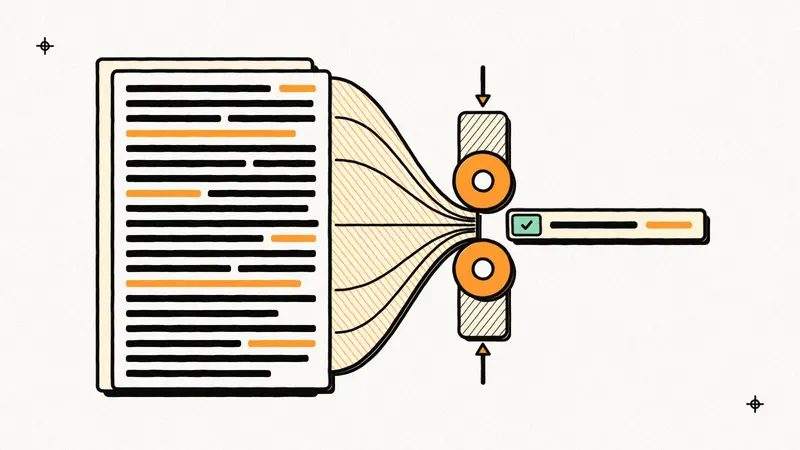
Token Economy Under the Hood: Spilling, Compaction, and Small-Model Mode
Why a single 1 MB build log kills your context window and your budget — and how Saturday spills, compacts, deduplicates, and shrinks prompts by up to 99.6% without losing a single byte on disk.
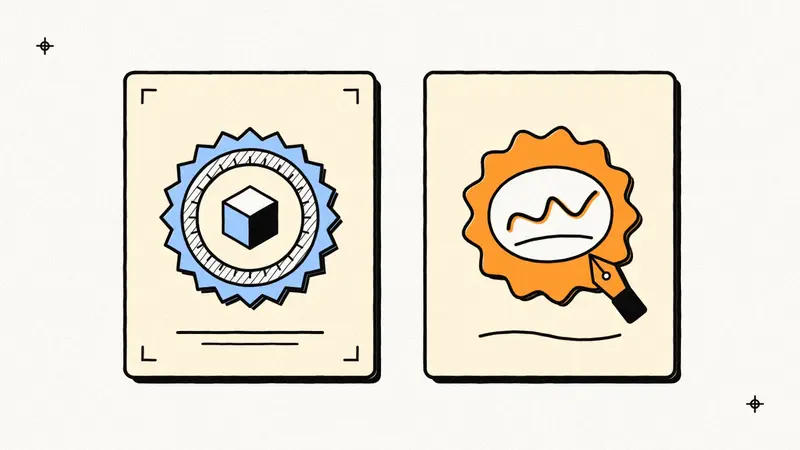
15 Verticals, Two Kinds of Proof: Deterministic vs. Attested Workflows
A vertical is not a prompt pack. In Saturday it is an adapter, a verifier, and a proof trail — and we refuse to show one green checkmark for two completely different guarantees.
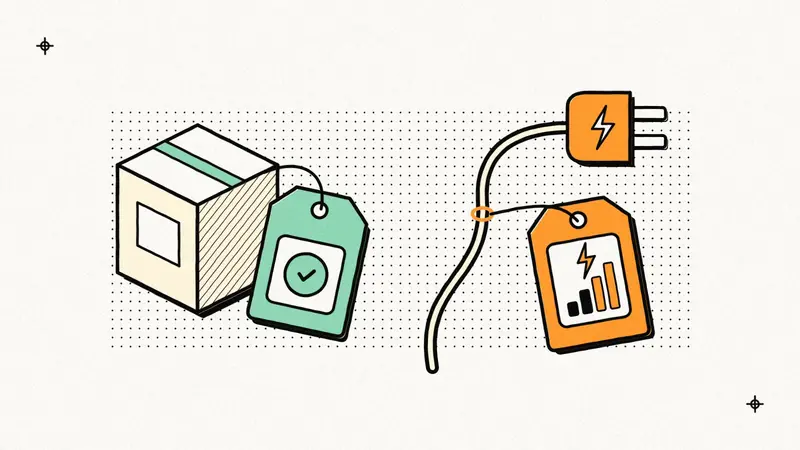
What "free" actually covers in a free AI agent
A free agent app and a free model are different things, and most pricing pages blur them. Here is how to read an agent offer in four questions, and where Saturday’s free beta stops.
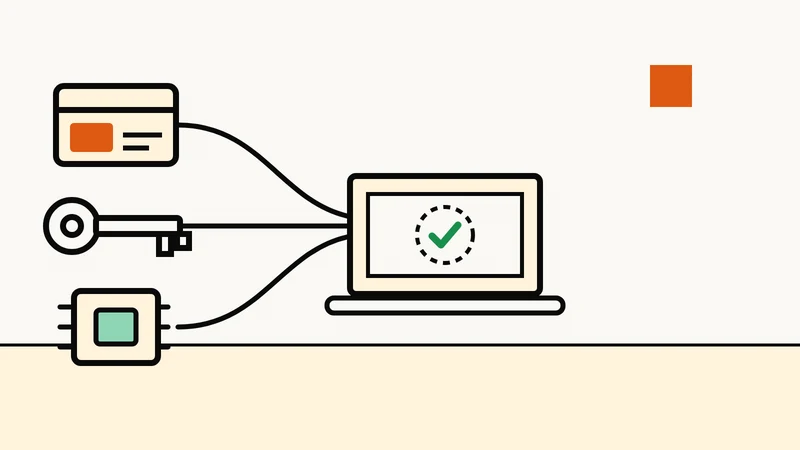
Choosing a model for an AI agent, without a spreadsheet
An agent app and a model are two different purchases, and almost every confusing pricing page blurs them. There are only three ways to pay for the thinking, each is right for a different person, and you can switch later without losing anything.

Deterministic Video Editing and Local ComfyUI Studio Inside Saturday
Timeline-as-data ffmpeg rendering with silence cutting and EBU R128 loudness QC, paired with a loopback-only ComfyUI Studio canvas — all running locally without uploading raw footage.
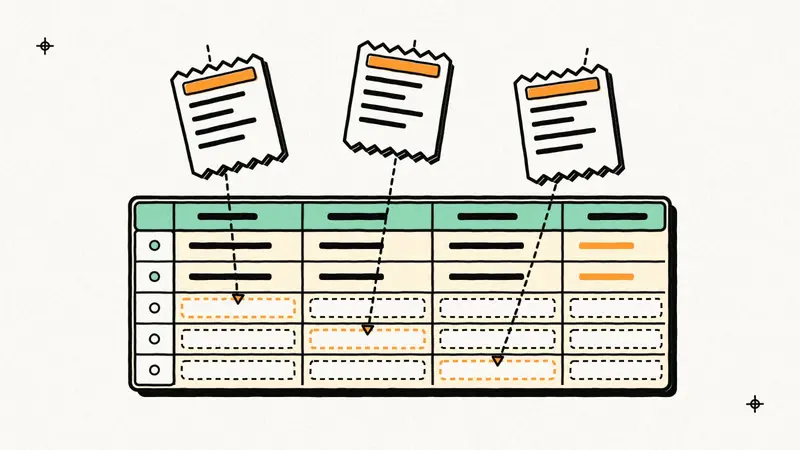
Excel automation without macros: an agent that reads the receipt folder
Macros break when the sheet moves, and Power Automate needs an API that desktop accounting apps do not have. A computer-use agent takes the third path: it operates the app the way a person would, and proves what it changed.
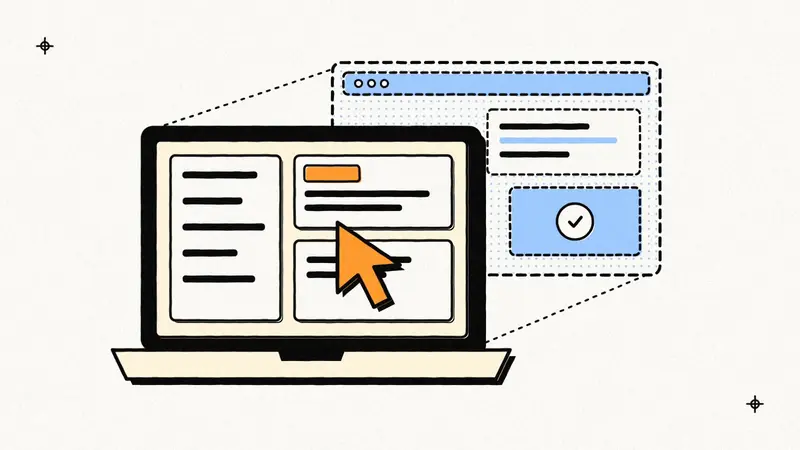
Ending Mouse Theft: Background Computer Use and Ghost Display
Cloud vision agents hijack your mouse, lock your screen, and stream every frame to remote servers. Here is how Saturday operates real desktop apps in the background while you keep working.
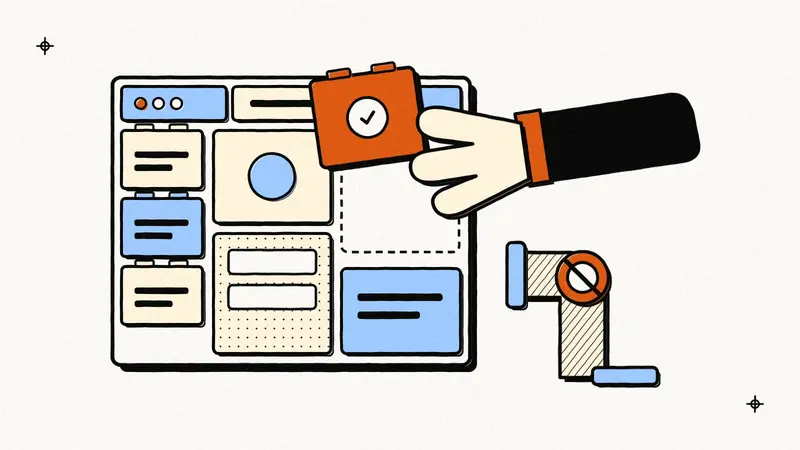
What is a computer-use agent, and why background mode changes the job
A computer-use agent operates a graphical desktop instead of an API. The hard part is not seeing the screen, it is acting without taking the machine hostage. Background mode is the difference between a demo and a tool you can leave running.

A Floor Nothing Gets Under: Hardline Safety, Credential Gates, and Receipts
Prompt-level guardrails break under multi-turn injection. Saturday enforces security at the tool-execution boundary: non-overridable command floors, credential READ gates, a 4.5-second STOP latch, and tamper-evident receipts.
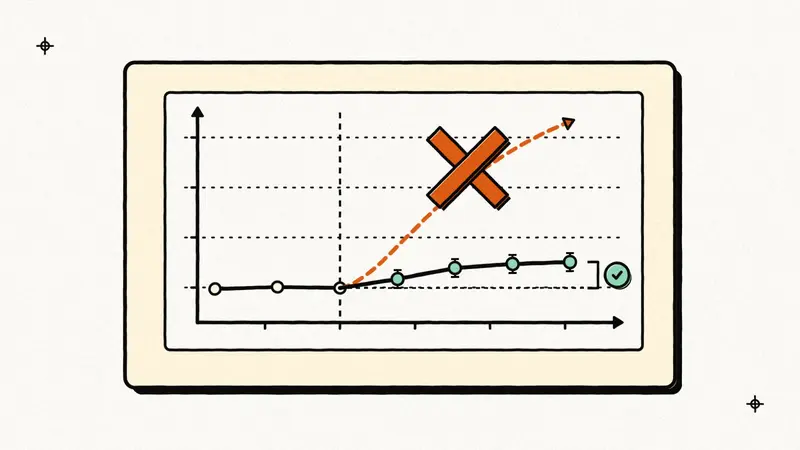
Did That Harness Change Actually Help? Measuring Gains Without Overfitting
Recent harness-evolution research found ~68% of claimed agent improvements were benchmark overfitting plus extra compute. Saturday ships an opt-in Improvement Ledger that runs that exact decomposition before any change is kept.
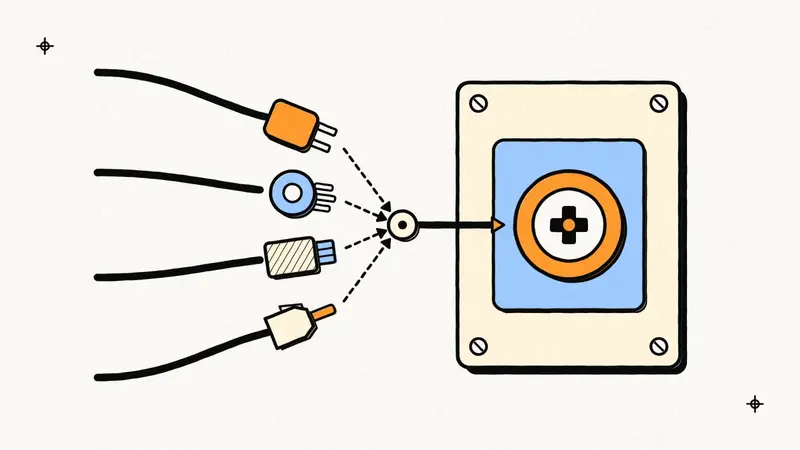
MCP explained for people who do not write code
Model Context Protocol is a standard way for an agent to discover and call tools. It is plumbing, and like plumbing it matters most when it is missing. Here is what it changes, in both directions.
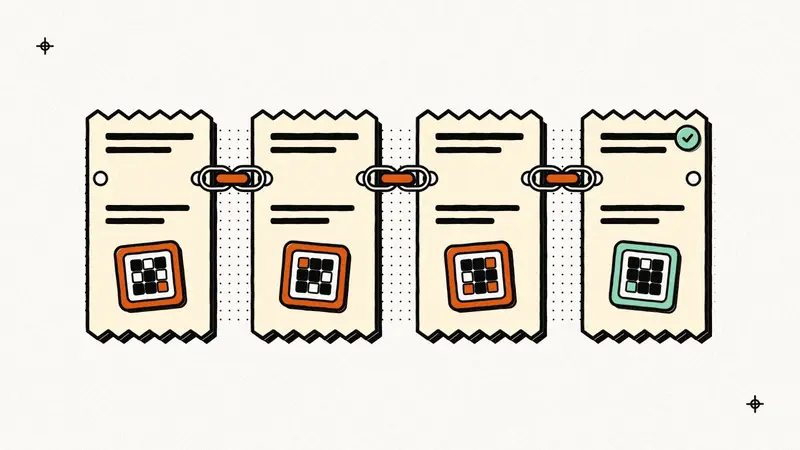
How to audit an AI agent: from chat logs to hash chains
A chat transcript tells you what the model said. It does not tell you what the program did. This post separates the two, and shows what a verifiable record has to contain to be worth anything after an incident.
Running an agent on a local model: what a laptop can and cannot do
Local models make an agent private and free per token. They also move the failure mode from expensive to quietly wrong. Here is where the line sits in practice, and how to design a job that stays on the right side of it.