
Choosing a model for an AI agent, without a spreadsheet
An agent app and a model are two different purchases, and almost every confusing pricing page blurs them. There are only three ways to pay for the thinking, each is right for a different person, and you can switch later without losing anything.
- 1There are only three ways to pay for the thinking.
- 2Pick by what you already own, not by a leaderboard.
- 3Switching later costs nothing, so this is not a permanent decision.
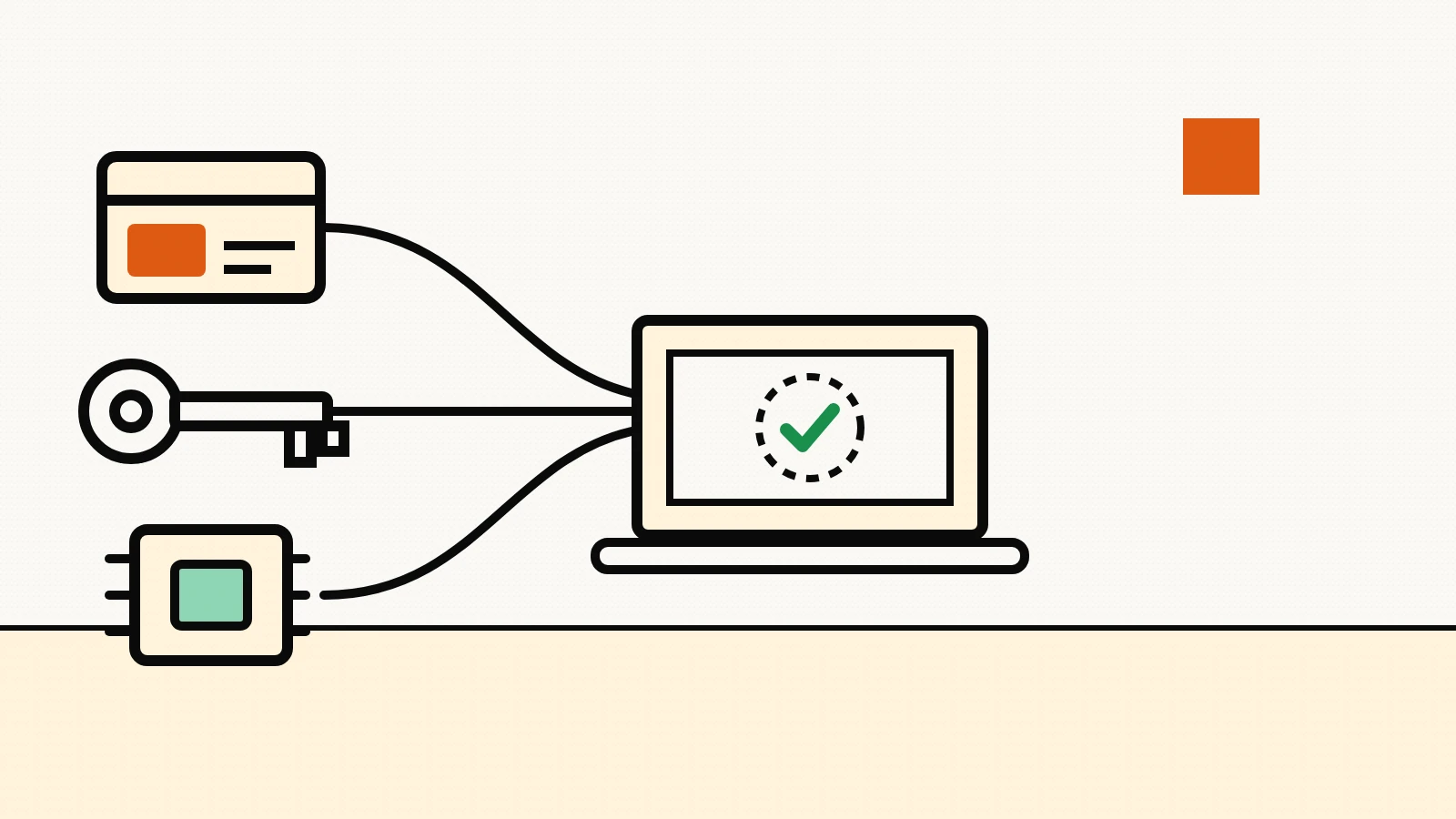
Take one job you might actually have. A supplier sends a sixty-page contract revision on a Friday, and before Monday you need to know what changed from the version you signed, in a page you can send to your own boss. You are not writing an essay. You are comparing two documents and explaining the difference. So the ask is one sentence: “compare this contract revision with the signed version in the shared folder, and give me one page on what changed”.
People often assume that using an AI agent means buying tokens. It does not. The app and the model are separate, priced separately, and you only need one of the three model routes below. Choosing badly mostly costs money or time, not capability you cannot get back.
Three ways to pay for the thinking
| Route | You pay | Best if |
|---|---|---|
| A subscription you already have | Nothing extra | You already pay for Claude, ChatGPT or Copilot |
| Your own API key | Per use, at cost | You want a hard budget and exact control |
| A model on your own machine | Electricity | The work is private, or the volume is high |
Which one fits you
Run the contract through each route and the choice stops being abstract. If you already pay for a subscription with a capable model, start there. The Friday contract costs nothing extra, the quality is high, and the limit is the one you already know about. The usual objection is that you do not want your employer’s account doing personal work, or vice versa, and that is a reason to use the next route rather than a reason to avoid agents.
A key of your own is the right answer when you want the bill to be visible. The same contract, billed per use, produces a number you can look at on Monday morning: this is what one contract revision costs us. You see usage per run, you set a hard cap, and nothing comes as a surprise at the end of the month. It is also the route for anyone building something they might hand to a colleague.
A local model is the right answer when the contract cannot leave the building. That is a policy question before it is a technical one, and plenty of contracts are covered by a rule that says exactly that. The honest trade-off is speed and, on hard multi-step work, quality. It is not a toy, but it is not the frontier either.
Go deeper: what the price tag actually measures
- Per token is not per job. A cheap model that loops forty times costs more than an expensive one that finishes in six.
- Context is re-sent every step. A bloated conversation is billed repeatedly, which is why trimming tool output matters more than the headline rate.
- A subscription is a bet by the provider that you will use less than you pay for. Fine for steady work, awkward for a burst.
What you should not pay for
You should not pay a second time for the same tokens. If a product charges a monthly fee and also bills you for model usage at a markup, ask what the fee is buying beyond a wrapper. And you should not have to create an account to try the app at all.
You should also be able to see the cost of a single run. A number you can read per job is the difference between a tool you use and a tool you are afraid of.
Here is where the cheap answer turns out not to be the cheap answer. The cheapest model reads the contract once, gets the clause numbering wrong, and tries again. Each attempt sends both documents back through the model. Six attempts at the low rate can cost more than one careful pass at a high one. The number that settles it is cost per finished job, and you only get that number from a run you can see.
Switching later costs nothing
The reason this decision is low-stakes is that it is reversible. Attach a subscription today and a local model next month; the files, the tools, the permission rules and the receipts do not change. The model is the most visible part of an agent and the least sticky.
Questions people ask
Do I need an API key to use an agent?
No. If you already pay for a subscription that includes an agent-capable model, you can attach that. An API key is one option among three, not a requirement.
Is a local model good enough?
For reading files, summarising, drafting and small edits on a modern laptop, often yes. For long multi-step jobs that need careful reasoning, a frontier model is usually better, and a local one is slower rather than wrong.
What happens if I switch models later?
Nothing is lost. The app, your files, your receipts and your permissions stay exactly as they are; only the reasoning changes hands.
Try Saturday on your own machine
Free during the beta · 72 built-in tools · 22 providers (19 cloud, 3 local) · no account needed.